Essential Tips for Finding the Right Electrician for Your Home Improvements
Selecting the right electrician for home projects demands thorough evaluation. A homeowner must assess their particular electrical needs first. Experience and credentials play an essential role in ensuring adherence with local regulations. Additionally, reviews and recommendations can provide perspective into an electrician's reputation. However, there are other factors to evaluate that can greatly impact the outcome of the project. Understanding these aspects is critical for a successful partnership.
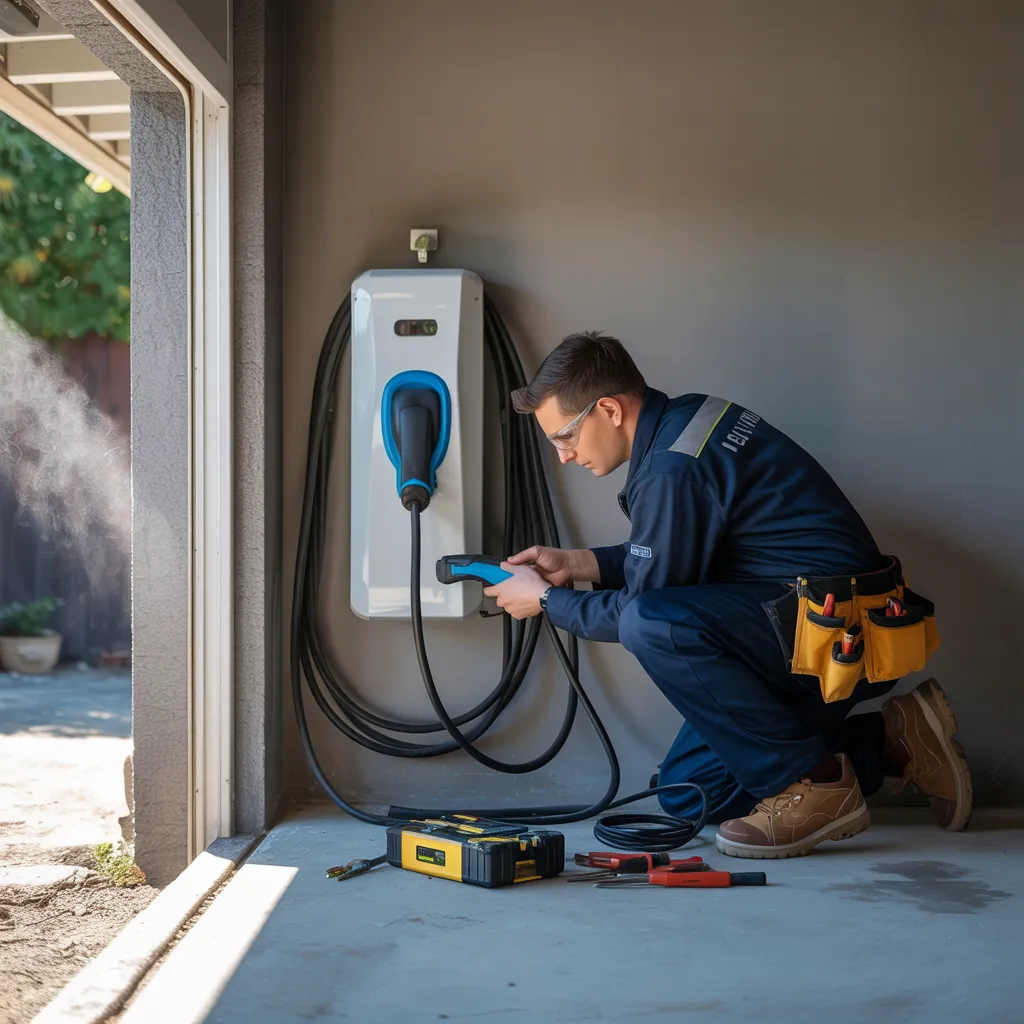
Which Electrical Solutions Do You Require?
When establishing what electrical services are necessary, one must assess the distinct requirements of their home or business. Recognizing the electrical demands is critical, as different properties typically have different needs. For residential properties, services may include lighting installations, outlet upgrades, or circuit repairs. Commercial properties typically require more sophisticated solutions, such as system installations for heavy machinery or specialized lighting for commercial spaces.
Moreover, safety inspections are vital in both contexts to ensure compliance with electrical codes. Homeowners may also request energy efficiency audits to minimize utility costs. It is vital to assess whether renovations or expansions will necessitate increased electrical capacity. Understanding these aspects empowers property owners to make informed decisions about the services essential. Ultimately, a thorough evaluation of electrical needs sets the foundation for safe and efficient electrical systems, guaranteeing that all functionalities meet modern standards and expectations.
Seek Skilled Electricians
When picking an electrician, it is vital to emphasize experience. Confirming licensing credentials, reviewing years of experience, and examining the quality of past projects can tremendously shape the decision-making process. These factors contribute to making certain that the selected professional can efficiently handle different electrical tasks.
Validate Licensing Qualifications
To ensure safety and compliance with local regulations, verifying the licensing credentials of an electrician is crucial. A licensed electrician has met the necessary education and training requirements mandated by local authorities, ensuring they possess the knowledge to perform electrical work safely and effectively. Homeowners should request to see the electrician's license and validate its validity through the appropriate licensing board or website. Additionally, verifying insurance coverage is vital, as it protects both the homeowner and the electrician in case of accidents or damages during the project. Choosing an electrician with the proper licensing credentials not only assures adherence to safety standards but also provides peace of mind that the work will be completed to a professional standard.
Assess Years of Experience
Experience plays a essential role in the quality of electrical work, making it essential to seek electricians with multiple years in the industry. An experienced electrician not only holds technical skills but also has a greater understanding of safety protocols and regulations. They are proficient at troubleshooting common issues and can provide effective solutions, which is critical for ensuring that electrical installations and repairs are completed safely and efficiently. When assessing potential electricians, it is prudent to question their years of experience and the types of projects they have handled. A seasoned professional is likely to have experienced a variety of situations and challenges, giving them the knowledge to manage any unforeseen complications during a project.
Examine Earlier Project Workmanship
Reviewing the quality of prior projects is vital when selecting an electrician. Future clients should review the electrician's portfolio, which may include pictures, client testimonials, and comprehensive descriptions of completed work. This assessment delivers insight into the electrician's expertise, attention to detail, and ability to fulfill deadlines. Furthermore, seeking references from previous clients can provide valuable information concerning the electrician's professionalism and reliability. Communicating with past clients can reveal how effectively the electrician resolves issues and communicates throughout the project. By focusing on experienced electricians with a proven track record of high-quality work, homeowners can guarantee their electrical projects are completed safely and efficiently, ultimately enhancing the overall functionality and safety of their homes.
The Benefits of Always Using a Licensed Electrician
In terms of electrical work, engaging a licensed electrician is critical for maintaining safety and compliance with local codes. Licensed electricians have received comprehensive training and have developed the required knowledge to handle complicated electrical systems. Their expertise lowers the risk of hazards such as electrical fires, shocks, and equipment failures, which can arise from faulty installation or repairs.
Furthermore, employing a licensed professional commonly guarantees that the work completed satisfies local building codes, which can be critical for future inspections and real estate transactions. In several jurisdictions, unlicensed work may result in fines or the need for costly rework, eroding any savings gained by selecting an unlicensed individual. In addition, licensed electricians commonly carry liability insurance, providing an added layer of protection against potential damages. Overall, investing in a licensed electrician is a wise choice that improves safety and guarantees high-quality workmanship.
Look Into Licensed Electrician Customer Reviews and References
While selecting an electrician, it is vital to check their online reviews to assess customer satisfaction. Furthermore, seeking personal recommendations can provide useful insights into a contractor's reliability and workmanship. Finally, properly verifying credentials confirms that the selected electrician meets industry standards and qualifications.
Review Online Feedback
How does one verify they are picking a reputable electrician? Reviewing online ratings is a vital component in this process. Online resources such as Google, Yelp, and Angie's List offer valuable insights into an electrician's competence based on customer experiences. High ratings often indicate a credible professional, while persistent negative reviews can indicate potential issues. It is vital to read both positive and negative feedback, paying attention to the context and specifics of each review. In addition, consider the volume of reviews; a higher volume can imply reliability, whereas limited reviews may not provide a thorough picture. Overall, analyzing online ratings supplies homeowners with essential information to make sound choices about electricians for their projects.
Get Personal Suggestions
What more effective method to locate a reliable electrician than by requesting personal recommendations from friends, family, or colleagues? These trusted individuals can relay their firsthand experiences and provide insights into the work quality, professionalism, and reliability of various electricians. Personal referrals commonly help in discovering skilled professionals who may not have a strong online presence. It is helpful to ask specific questions about the electrician's ability to communicate, adhere to deadlines, and handle unexpected issues. Additionally, gathering multiple opinions can help create a better understanding of an electrician's strengths and weaknesses. Finally, personal recommendations can serve as a valuable resource, guiding homeowners toward making knowledgeable selections for their electrical needs.
Check Credentials Completely
Prior to employing an electrician, it is crucial to confirm their qualifications thoroughly. This process includes checking their licenses, insurance, and any relevant certifications. A licensed electrician has met the necessary training and regulatory standards, ensuring safety and compliance with local codes. Insurance safeguards both the homeowner and the electrician in case of accidents or damages.
In addition to verifying official credentials, it is essential to check reviews and request references from prior clients. Online platforms and local community boards can provide insights into an electrician's reputation, work quality, and reliability. Communicating directly with previous clients can give further assurance of the electrician's professionalism. Complete credential verification establishes a foundation of trust and confidence in the chosen professional.
Grasping Insurance & Warranty Benefits
When picking an electrician, understanding the complexities of insurance and warranty coverage is fundamental for shielding both the homeowner and the professional. Homeowners should confirm that the electrician carries proper liability insurance, which shields against any damages or accidents that may take place during the project. This coverage is vital for lessening financial risks and delivering peace of mind.
Additionally, checking that the electrician has workers' compensation insurance is vital, as it shields homeowners from liability in case of injuries sustained on the job.
Warranties also play a significant role in the decision-making process. A professional electrician must offer warranty protection on their labor and the products used, giving confidence about the quality and lasting nature of the work completed. Property owners ought to ask about the details of these guarantees, such as the length of coverage and what's included, to verify they maintain appropriate protection long-term.
Communication Skills and Professionalism: Key Traits to Look For
Good communication capabilities and a professional demeanor are important factors to evaluate in an electrician. An electrician with strong communication abilities can clearly explain project details, timelines, and any potential issues that may arise. This clarity cultivates trust and makes certain that homeowners stay well-informed and secure about the electrical work taking place.
Professional conduct involves not only timeliness and dependability but also the electrician's demeanor and respect for the homeowner's space. An electrician who conducts themselves professionally and follows industry standards demonstrates a commitment to quality. Additionally, a professional electrician will actively listen to the homeowner's concerns, addressing them respectfully and considerately.
These qualities demonstrate a skilled tradesperson who values their craft and the satisfaction of their clients. At the end of the day, choosing electricians who show excellent communication and professionalism will ensure a better project experience and a successful outcome.
Comprehending Costs: Ask for Written Estimates
Comprehending costs is essential for homeowners looking for electrical services, as it enables setting clear expectations and prevent unexpected costs. One of the most practical ways to reach this is by obtaining written estimates from potential electricians. A written estimate delivers a detailed breakdown of costs, including labor, materials, and any additional fees, allowing homeowners to compare services properly.
When asking for estimates, it is essential to ensure that all electricians are bidding on the same scope of work, which enables making fair comparisons. Homeowners should also inquire about the validity period of the estimate, as prices can change over time.
In addition, a professional electrician should be clear about their pricing structure and prepared to detail any ambiguous charges. By focusing on written estimates, homeowners can make well-informed decisions and choose an electrician who aligns with their budget and project specifications.
Common Questions
How Can I Tell if an Electrician Is Reliable?
To determine if an electrician is trustworthy, it's important to check their credentials, examine customer feedback, validate insurance, and obtain references. Trustworthiness is frequently reflected in their communication and eagerness to respond to questions with transparency.
What Happens if I'm Not Satisfied With the Work?
When dissatisfaction emerges, you should initially discuss your concerns directly with the electrician, allowing for resolution. If unresolved, examining the agreement, pursuing mediation services, or reaching out to appropriate licensing boards may provide further assistance in dealing with the concern.
Is Hiring an Electrician for Small Jobs an Option?
You can hire an electrician for small jobs. Numerous electricians are happy to handle small jobs, maintaining safety standards and regulatory compliance. Clients should discuss specifics and obtain estimates before proceeding with the work.
How Long Does It Typically Take to Complete Electrical Projects?
Typically, electrical projects can take anywhere from a couple explore this of hours to a few days, depending on their complexity and extent. Simple jobs like replacing outlets may only demand an hour, while larger jobs demand more time and planning.
What Safety Measures Should Electricians Follow During Work?
Electrical technicians should always wear appropriate personal protective equipment, ensure tools are insulated, confirm power is off before starting, copyright a clean workspace, and adhere to local codes and regulations to avert accidents and assure safety.